
Refugee Education in East Africa: How Barcha Is Opening Doors
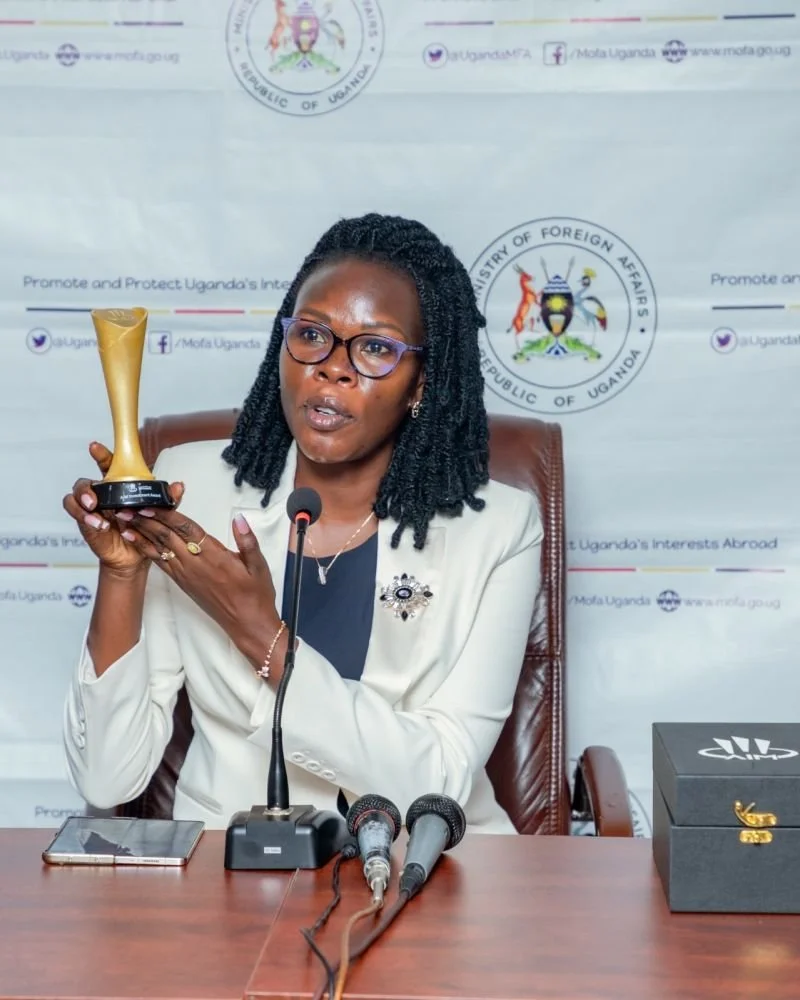
When Barcha considers all that her education has made possible, she thinks about the young people still waiting for their chance. The girls who need help registering for examinations. Or refugee students trying to navigate scholarship applications. And the young mother who needs encouragement to apply to university one more time.
She recognizes something of herself in each of them.
“If I have been supported to go this far, why can’t I also support others?”
That question has become a daily commitment. Once a young refugee unsure whether she could continue school, Barcha now helps other students pursue their education. Her journey offers a personal look at refugee education in East Africa—and how supporting one student can create opportunities for many more.
A Chance to Continue Her Education
In 2012, Barcha arrived in Uganda after fleeing insecurity in Sudan’s Nuba Mountains. She was young, displaced, and rebuilding her life in an unfamiliar country. Continuing her education felt almost impossible. Almost.
“For girls like me, that’s usually where the story stops,” she says.
Through 4africa’s scholarship support at the Leadership Academy of South Sudan and later at university, Barcha was able to keep studying. She completed high school and, in 2025, graduated from Makerere University Business School with a bachelor’s degree in human resource management.
Reaching that milestone took years of work. Along the way, she began considering how she could help other young people facing the same uncertainty she had known.
Today, Barcha serves as a fellow with Finn Church Aid through the Iteme–Kepler Rwanda Project. She helps students prepare for university placement and scholarship opportunities, offering guidance as they consider what might come next.
“Every young person I walk with reminds me of myself at their age,” she says. “That is why I show up.”
What Stands Between Refugee Students and School
Access to refugee education in Uganda depends on practical support, not just the opportunity to enroll. School materials, examination fees, and the cost of attending school can put education beyond a family’s reach. A UNHCR account of education challenges in Uganda (Sept 2022) describes how these expenses can prevent displaced children from continuing their studies.
Barcha’s work also reveals the importance of guidance. Students may need help finding an affordable school, completing an application, or understanding the steps toward a scholarship. Someone willing to work through those details with them can help turn an uncertain possibility into a next step.
For Barcha, remembering those needs made it impossible to walk away.
How One Scholarship Can Benefit a Community
In 2023, before completing her university degree, Barcha founded Seeds of Peace. The community development initiative now serves refugee youth in Kampala and settlements such as Kiryandongo.
“I remembered what it felt like to need someone and have no one,” Barcha says. “I could not walk away from that.”
Together with five volunteers, she helps young people navigate scholarship applications, register for examinations, get school materials, and find places in affordable schools.
In one recent effort, the team helped 12 girls register for Sudan certificate examinations, an essential step toward further education, training, and employment. They have also provided seven children with school materials and basic support to help them stay enrolled.
This is one way a scholarship’s impact can extend into a community: a supported student gains experience and knowledge, then uses both to help others overcome similar barriers. Barcha has chosen to put her education to work for young people whose circumstances she understands.
Someone Willing to Help Her Try Again
During an outreach visit in Nakivale, Barcha met a young mother who had been rejected by Makerere University three times. She had given up on applying again.
Barcha listened, helped her revisit her application, and encouraged her to try again. Today, that young woman is studying at Makerere University.
“She just needed someone to tell her to try again,” Barcha says. “So I did.”
Her commitment to girls also takes shape through the Nubian Queens Initiative, which she co-founded. It creates safe spaces for Sudanese teenage girls, including girls with disabilities, through:
· mentorship
· scholarship guidance
· health awareness
· confidence-building
These relationships give girls somewhere to bring their questions and aspirations—and someone willing to take them seriously.
Supporting the Leaders Who Keep Opening Doors
Seeds of Peace still has no permanent office or major donor. But that doesn’t stop them. Barcha and her volunteer team call on friends, alums, and local partners to meet immediate needs. Her vision is to grow the initiative into a pan-African organization supporting vulnerable young people across the continent.
At 4africa, we invest in young people through our LEAD model of Leadership, Entrepreneurship, Academics, and Discipleship. Our Christ-centered approach prepares students to serve their communities with integrity and compassion.
Barcha’s story makes the possibilities of that investment tangible. Donors helped her continue her education, and now she is using her experience, initiative, and relationships to help others continue theirs.
Partner with 4africa to help equip young leaders who will serve their communities. As Barcha’s work shows, the opportunities that begin with one student can reach well beyond graduation. Thank you for believing in them and spurring them on toward greater things.
“We are African,” she says. “We do not need to wait for others to change us. We can change our communities ourselves.”